Image
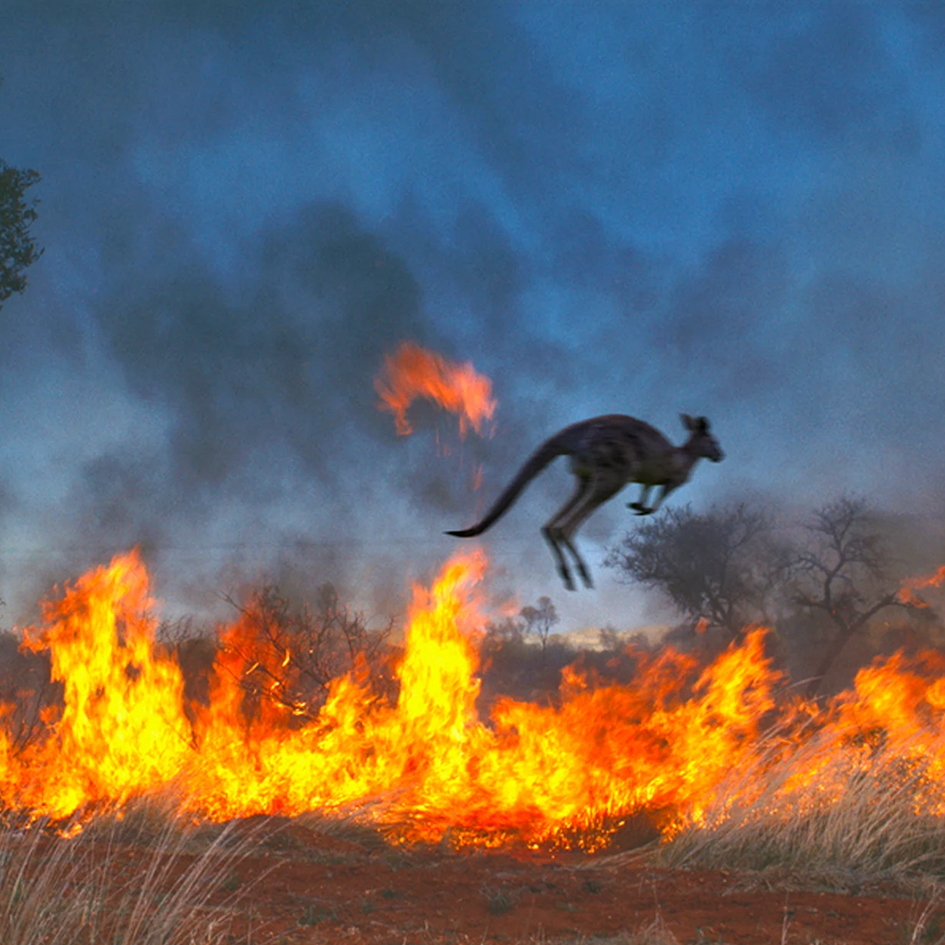
Talking about bushfires to support children
Bushfires can have a profound emotional impact on children and young people, even when they are not directly affected. Ongoing media coverage, dramatic imagery, community disruption and conversations about loss can heighten anxiety, fear and uncertainty. For some children, bushfires may trigger worries about safety, separation from loved ones or the future, while others may struggle to make sense of what they are seeing and hearing.
Children process disasters differently depending on their age, temperament and previous experiences. While some may openly express distress, others may internalise their feelings or show changes in behaviour over time. Understanding how bushfires can affect your child’s emotional wellbeing allows parents and caregivers to respond with reassurance, stability and empathy.
When families feel informed and supported, children are better able to cope with uncertainty, regulate emotions and regain a sense of safety.
Acknowledge and normalise emotions
Fear, sadness and confusion are natural responses to bushfires and other disasters. Encourage your child to talk about what they have seen, heard or are worried about, and validate their feelings without minimising them.
Be guided by your child
Listen and allow your child to decide how much they wish to share and in what way. Some children may prefer to talk, while others may express themselves through drawing, writing or creative play. Others may simply want to listen. Avoid forcing conversations. Choice and gentle reassurance support emotional recovery.
Limit exposure to distressing media
Repeated exposure to bushfire footage, news updates and social media can heighten fear and anxiety. Where possible, limit how much and how often children are exposed to distressing images or conversations, and check in with them about what they have seen or heard.
Provide perspective and a sense of hope
Answer questions and correct inaccurate information. Honest, simple and age-appropriate discussions that focus on recovery and hope for the future can be more reassuring than conversations centred on catastrophic outcomes.
Reassure safety and a sense of control
Remind your child that they are safe. Talk about how bushfire responses continue to improve through household, community, regional and national planning, timely media alerts, evacuation procedures and emergency services.
Focus on the helpers
Remind your child that, in times of crisis, there are always people helping, including firefighters, volunteers, emergency workers and community members. This can restore hope and reduce feelings of helplessness.
Maintain routine and structure
Consistent daily routines provide a sense of predictability and security during uncertain times. Regular meals, bedtimes and school routines help children feel grounded and supported.
Model calm and coping
Children take emotional cues from the adults around them. Managing your own stress, speaking calmly and demonstrating healthy coping strategies can help children feel safer and more secure.
Watch for ongoing changes
Some children may show delayed reactions, including sleep difficulties, increased anxiety, withdrawal or behavioural changes. If concerning behaviours persist for more than a month, seek advice from your GP or a mental health professional.
Encourage connection and care
Spending time together, checking in regularly and showing warmth and patience can make a significant difference. Simple acts of connection help children feel supported and understood.